
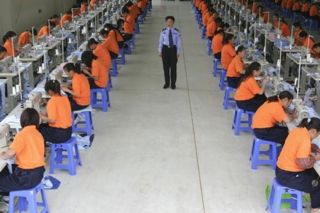
Back in April, we related the story of the smoking surgeons of Shanghai, who were resisting a massive and dismally unsuccessful Chinese government no-smoking campaign. 82% of Chinese smokers have never even thought about quitting, the Lancet reported. But when it comes to heroin and opium, it’s a different story. Drug treatment in China is largely of the boot camp and compulsory detention variety, rather than the 12-Step variety—with some exotic and completely unproven therapies thrown in. Grisly surgeries involving the insertion of electrodes into the skulls of heroin addicts are the latest high-end treatments. Mainly, though, drug users are simply being warehoused in Chinese detention centers. A New York Times report by Andrew Jacobs documented the fate of as many as 500,000 Chinese citizens held at government-run drug rehabilitation centers. “Detentions are meted out by the police without trials, judges or appeals,” Jacobs wrote. “Created in 2008 as part of a reform effort to grapple with the country’s growing narcotics problem, the centers, lawyers and drug experts say, have become de facto penal colonies where inmates are sent to factories and farms, fed substandard food and denied basic medical care.”
So the time is certainly ripe for a rethinking of addiction and recovery in China. And, in a stunning about-face, the Chinese government seems to doing exactly that—at least on paper. In what appears to be a massive shift in thinking, the government issued a monumental new regulation on drug rehabilitation, which stipulates rights for addicts, including a focus on voluntary treatment. The regulation states that drug users who consent to voluntarily undergo intervention programs “will be exempt from punishment.”
For the first time in China’s history, the regulation calls for consulting services and education on the prevention of HIV/AIDS, as well as efforts to “boost pharmaceutical management” of addiction. Perhaps most amazingly, the Chinese government vows to protect the personal information of addicts participating in treatment programs. The regulation states that “members of the police, judiciary and health departments who cause the leak of personal information must be punished.”
The China Daily said that officials seized more than 5 metric tons of heroin, and one metric ton of opium, in 2010. Intervention programs to treat opiate addicts in China took in a scant 175,000 drug addicts last year, while more than one million addicts underwent compulsory rehab—otherwise known as prison or the work farm.