
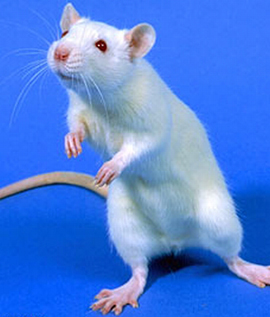
No anti-craving meds are yet available for cocaine addicts, but a recent study found that the activation of a receptor in the brain known as CB2 can decrease usage of intravenous cocaine by 50-60% in addicted laboratory mice. Interestingly, the chemical responsible for this activation was a version of cannabidiol (CBD)—believed to be the second most active compound in marijuana, after the better-known THC. Scientists surmise that purified CBD, or a synthetic version—the snappily-titled “JWH133″—could aid those wishing to quit coke. JWH133 has other properties that could make it more acceptable, medically and politically: It’s not known to cause a high or a negative experience, and dependence is an unlikely outcome (as opposed to other synthetic anti-craving or maintenance drugs like Methadone). It’s possible that addicts beat scientists to the punch on this one: While crack cocaine use declined in the early ‘90s, marijuana use increased. Anecdotal evidence suggests a correlation between the two—with crack users turning to pot for a mellower, cheaper high—which might be linked to the possible hidden anti-coke-craving property within cannabis. Discoveries like these, while highly promising, take time to develop. But if CBD/JWH133 are confirmed to help people to give up cocaine/crack, it will be time for the politicians to move, as well as the scientists.